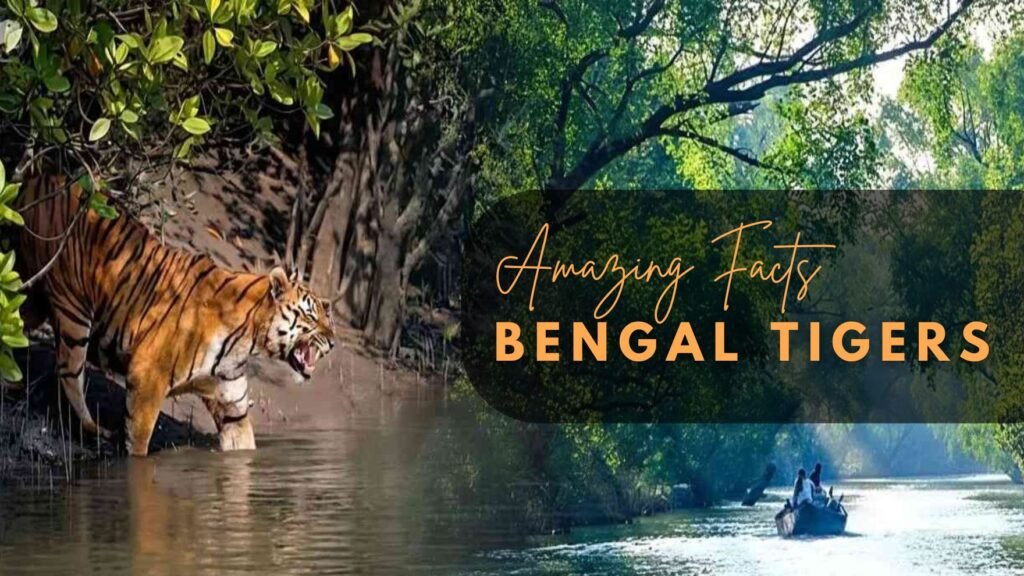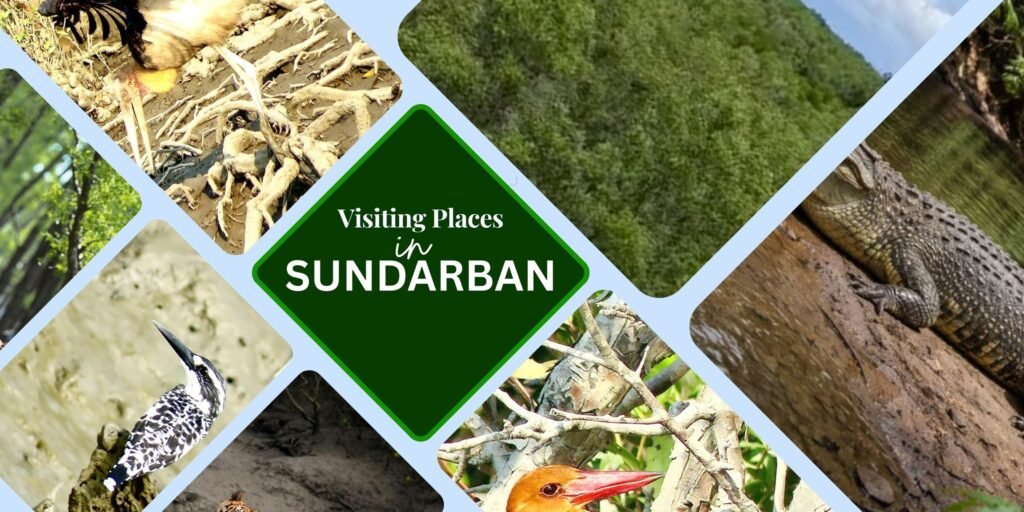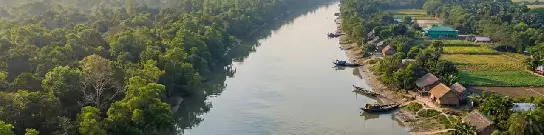

The Sundarbans, the world’s largest mangrove forest, is a breathtaking natural wonder spread across India and Bangladesh. Known for its rich biodiversity and unique ecosystem, this UNESCO World Heritage Site is home to the iconic Royal Bengal Tiger, countless bird species, and an extraordinary variety of mangrove plants.
What makes this forest truly unique is its vegetation—plants that have adapted to survive in saline water, tidal flooding, and oxygen-poor soil. These trees and plants are not just greenery; they are the backbone of the Sundarbans ecosystem, protecting coastlines, supporting wildlife, and sustaining local livelihoods.
15 famous trees and plants of the Sundarbans
1. Sundari Tree (Heritiera fomes)
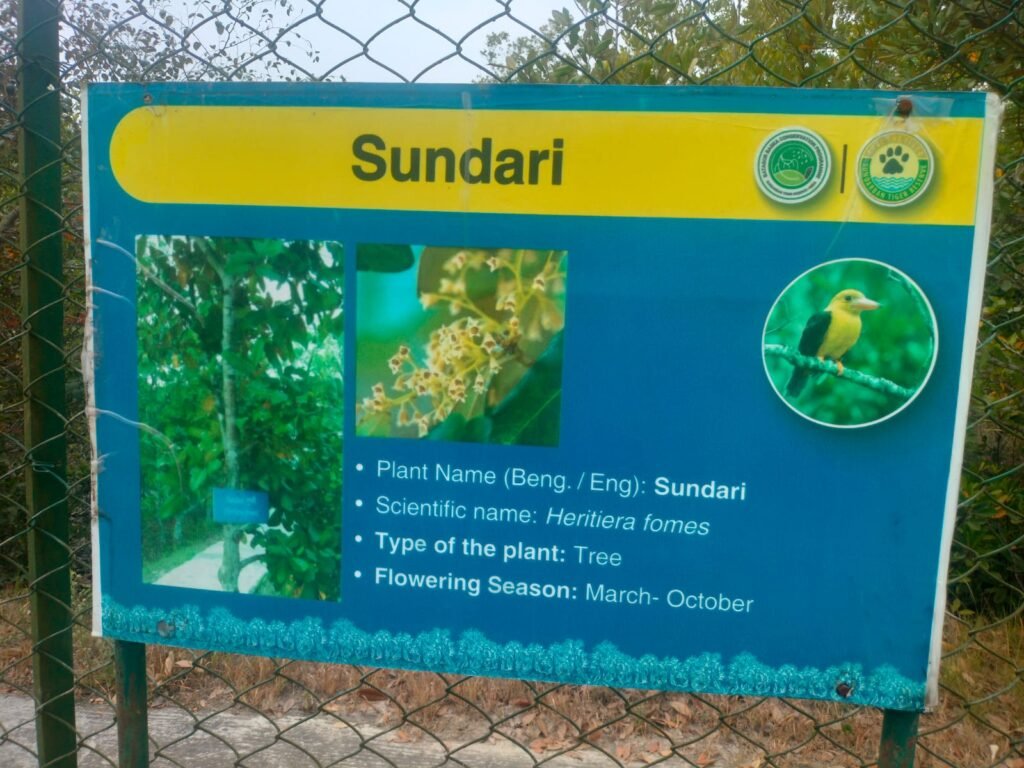
The Sundari tree is the most iconic species of the Sundarbans, and the forest derives its name from it.
Key Features:
- Grows up to 20 meters tall
- Thrives in moderate salinity
- Strong hardwood used in construction
Importance:
It helps prevent soil erosion and provides habitat for birds and wildlife. However, increasing salinity is affecting its growth.
2. Gnewa / Gewa (Excoecaria agallocha) – “Blind Your Eye”
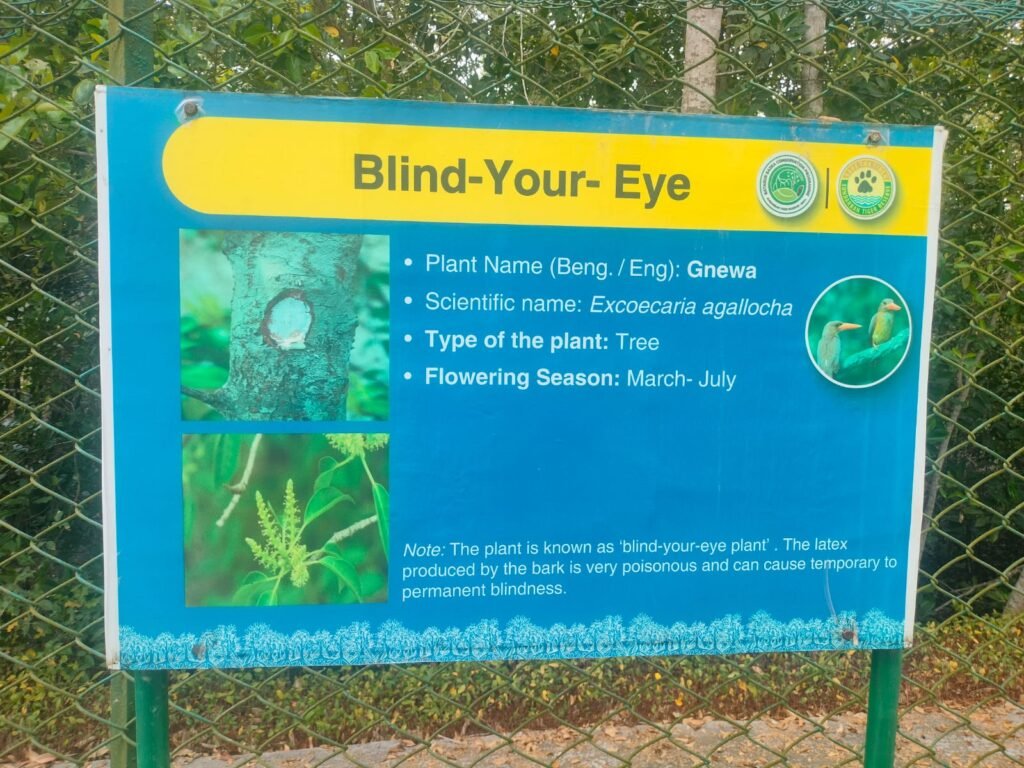
Popularly known as the “Blind Your Eye” mangrove, this plant produces a milky sap that can irritate eyes and skin.
Key Features:
- Widely found across Sundarbans
- Leaves eaten by deer
- Wood used for paper pulp
Importance:
Despite its toxicity, it plays an important role in maintaining forest biodiversity.
3. Goran Tree (Ceriops decandra)
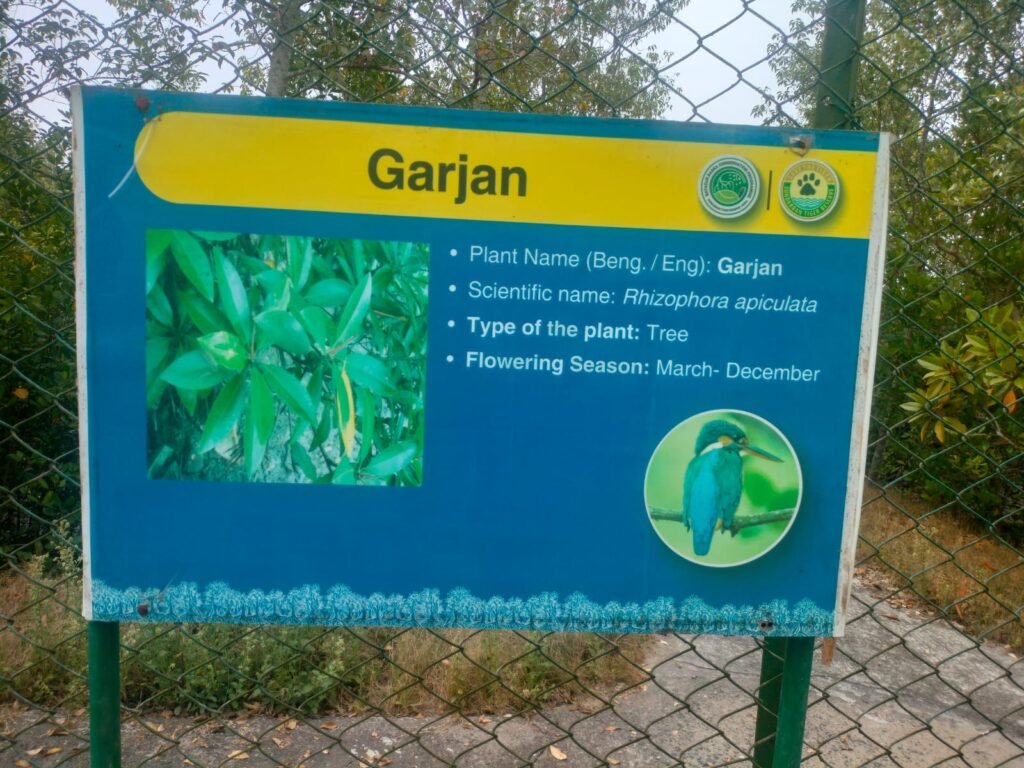
A dense, bushy mangrove species that often forms thick forests.
Key Features:
- Dense branching structure
- Grows in clusters
- Stabilizes muddy soil
Importance:
Provides shelter for small animals and helps strengthen the forest floor.
4. Keora / Tok Keora (Sonneratia apetala)
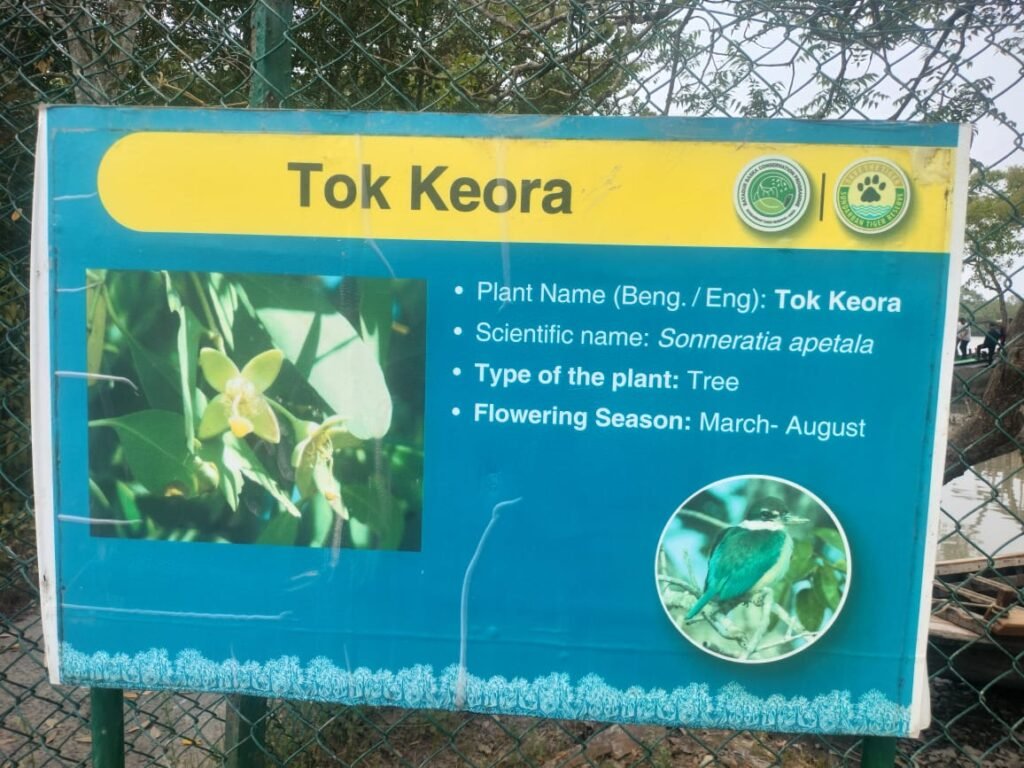
A fast-growing mangrove tree commonly found near riverbanks.
Key Features:
- Rapid growth
- Strong roots prevent erosion
- Produces edible fruits
Importance:
Essential for restoring mangrove forests and protecting shorelines.
5. Dhundul (Xylocarpus granatum)
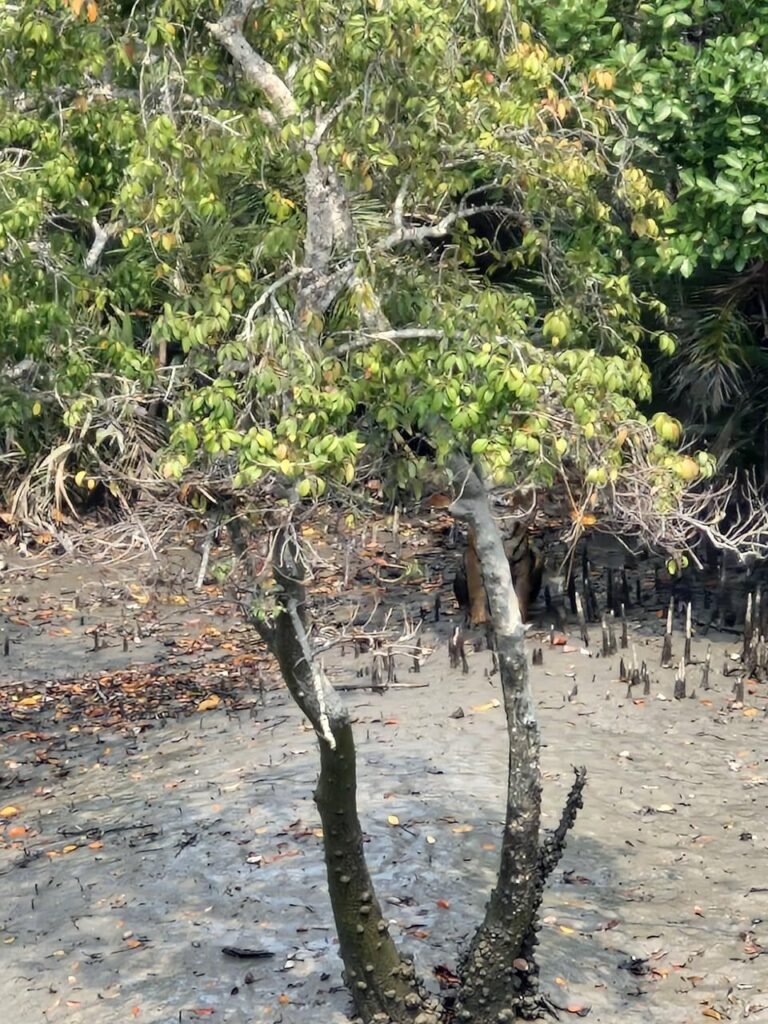
Famous for its large, round, wooden-like fruits.
Key Features:
- Valuable hardwood
- Fruits float in water
- Used in furniture and boat-making
Importance:
Supports biodiversity and is economically important.
6. Passur (Xylocarpus mekongensis)
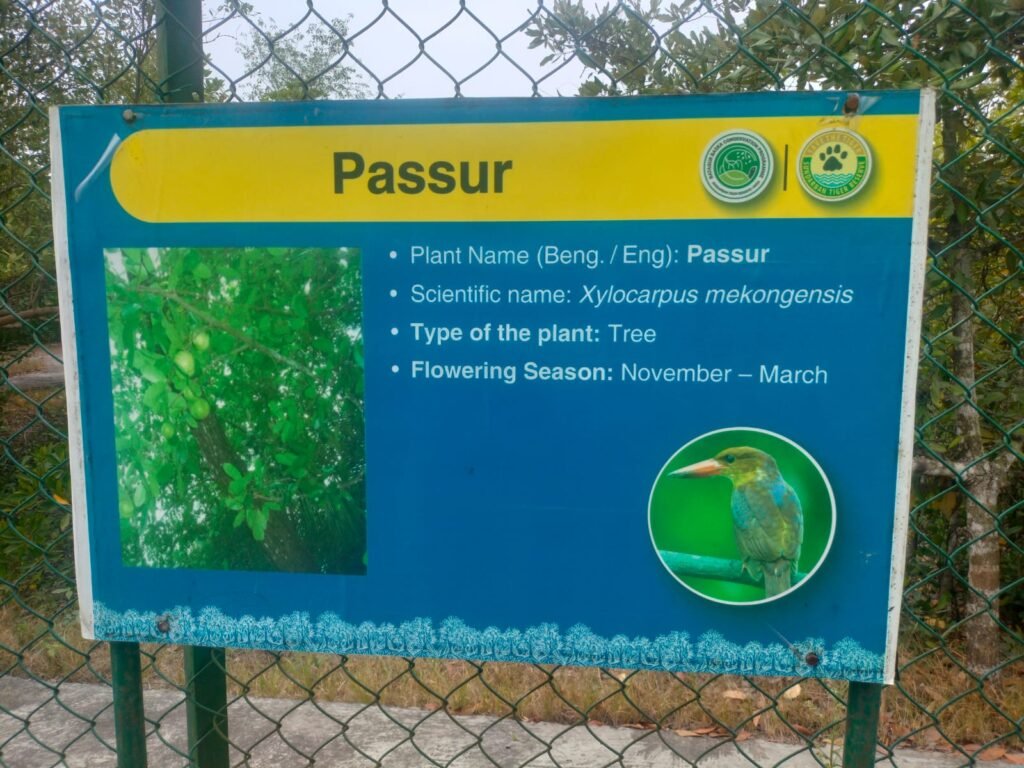
Closely related to Dhundul, known for its strong timber.
Key Features:
- Durable wood
- Used in construction and boats
- Provides shade
Importance:
Vital for both ecological and local economic purposes.
7. Kankra (Bruguiera gymnorhiza)
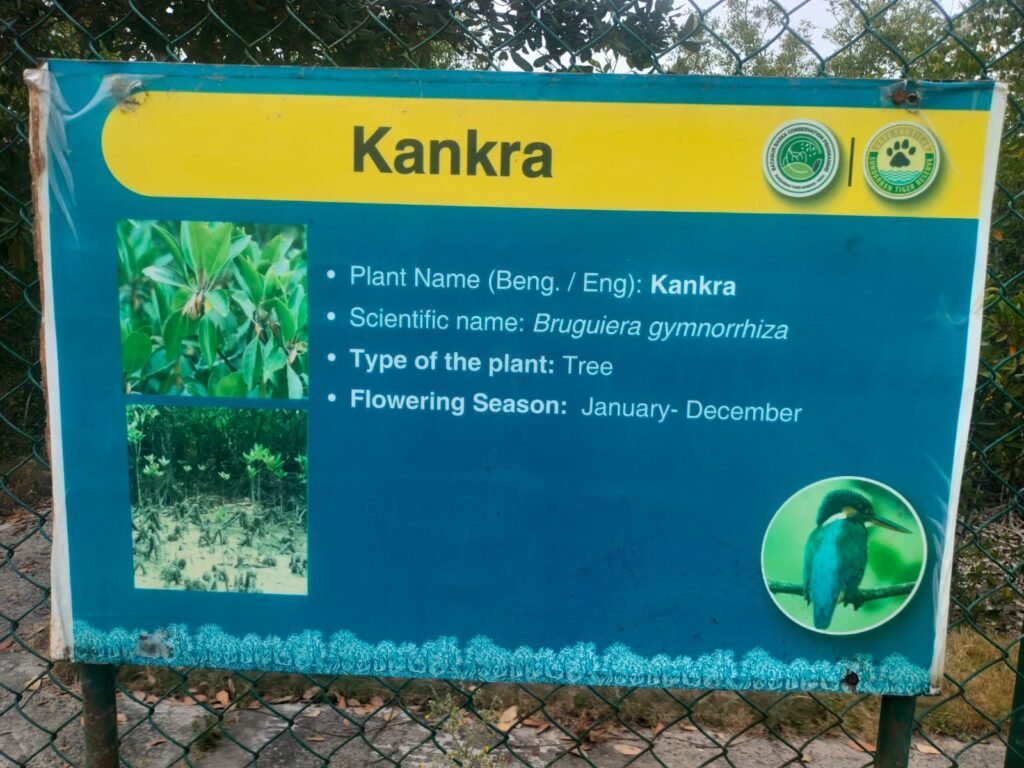
Recognized for its unique root system.
Key Features:
- Strong stilt roots
- Salt-tolerant
- Prevents erosion
Importance:
Creates safe breeding grounds for fish and marine life.
8. Bain / Peyara Bain (Avicennia officinalis)
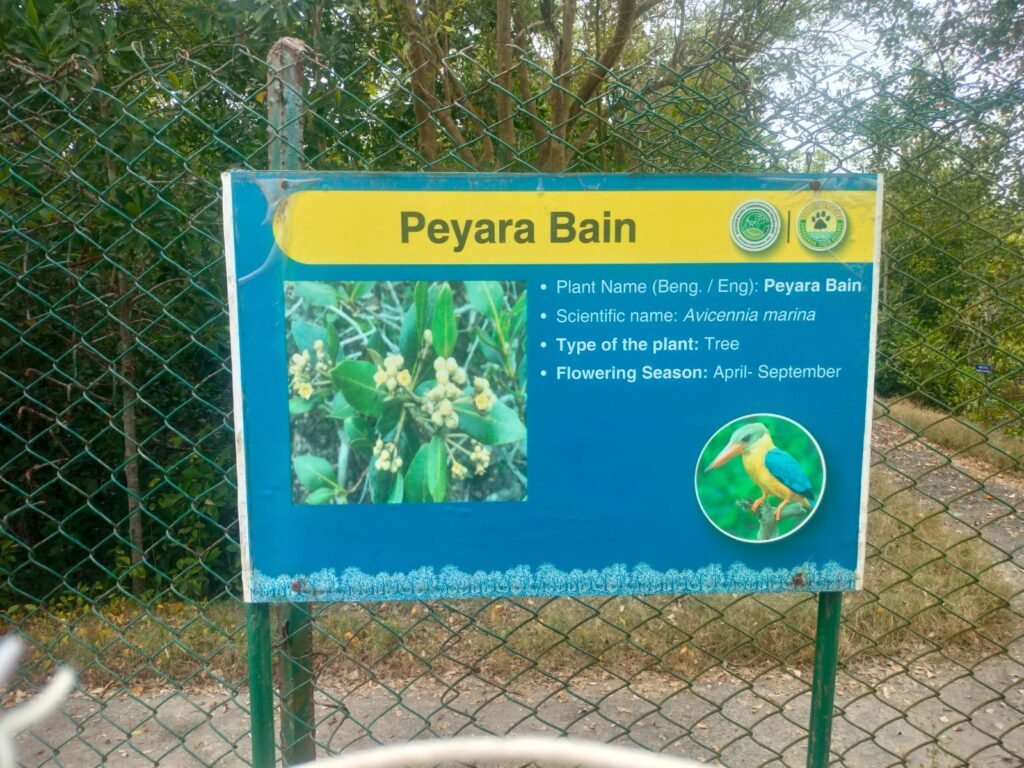
One of the most common mangrove trees in the region.
Key Features:
- Pneumatophores (breathing roots)
- Thrives in waterlogged soil
- Supports bird life
Importance:
Essential for oxygen exchange and ecosystem balance.
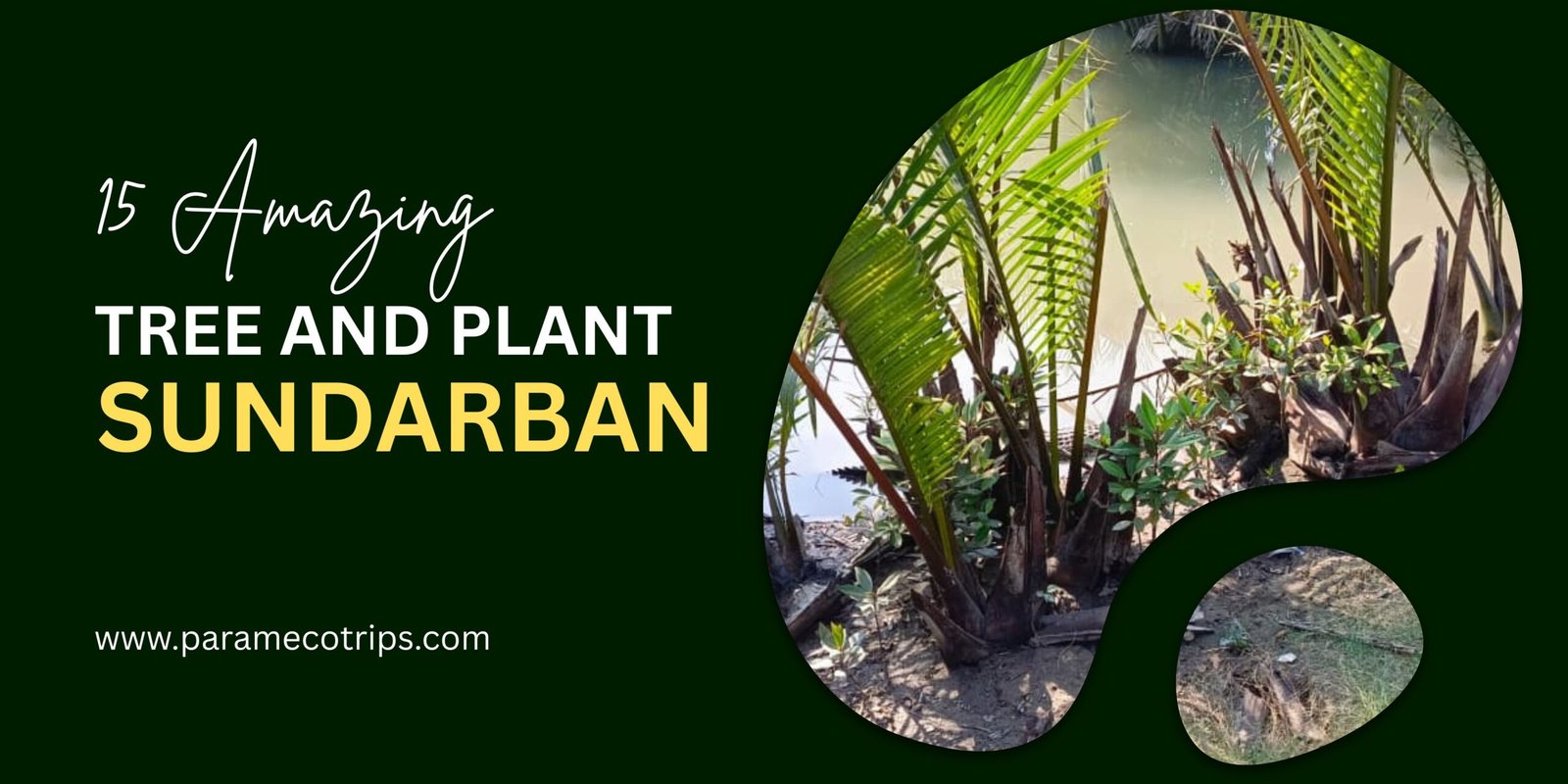
9. Golpata (Nypa fruticans)
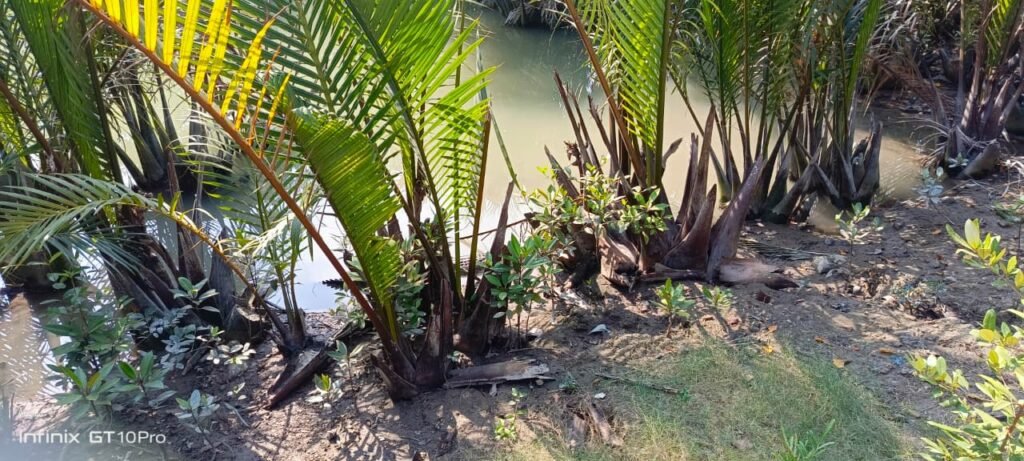
A mangrove palm found along riverbanks and creeks.
Key Features:
- Large leaves
- Grows in clusters
- Produces sap
Uses:
- Roofing material
- Sweet products
- Handicrafts
10. Hental (Phoenix paludosa)
A dense palm species forming natural barriers.
Key Features:
- Strong roots
- Grows in clusters
- Habitat for birds and reptiles
Importance:
Protects soil from erosion and supports wildlife.
11. Khalsi (Aegiceras corniculatum)
A small mangrove shrub with beautiful white flowers.
Key Features:
- Rich nectar source
- Attracts honeybees
- Grows in saline areas
Importance:
Crucial for honey production in the Sundarbans.
12. Garjan (Rhizophora mucronata)
Known for its dramatic above-ground roots.
Key Features:
- Strong prop roots
- Anchors in soft mud
- Protects from tides
Importance:
Acts as a natural barrier against cyclones and tidal waves.
13. Kandelia (Kandelia candel)
A smaller but ecologically important mangrove.
Key Features:
- Grows near coastal zones
- Supports fish breeding
- Improves soil stability
14. Sea Holly (Acanthus ilicifolius)
A thorny mangrove plant with striking purple flowers.
Key Features:
- Medicinal properties
- Grows in marshy areas
- Supports insects
Importance:
Used in traditional medicine and biodiversity support.
15. Tiger Fern (Acrostichum aureum)
A large fern species found in wet and disturbed mangrove areas.
Key Features:
- Thrives in marshy land
- Provides shelter to small animals
- Adds vegetation diversity
Importance of Sundarban Plants
The trees and plants of the Sundarbans are not just vegetation—they are the foundation of the entire ecosystem.
Coastal Protection
Mangroves act as natural shields against cyclones, storms, and tidal waves. Wildlife Habitat
They support thousands of species including fish, birds, reptiles, and mammals.
Soil Stabilization
Their roots bind soil and prevent erosion.
Climate Control
Mangroves store large amounts of carbon, helping fight climate change.
Livelihood Support
Local communities depend on them for honey, fishing, wood, and crafts.
Explore Sundarbans with ParamEcoTrips
A journey into the Sundarbans is not just a trip—it’s an immersive experience into nature’s most resilient ecosystem.
With ParamEcoTrips, you can:
- Enjoy guided boat safaris
- Explore deep mangrove forests
- Learn about unique flora and fauna
- Experience local culture and lifestyle
Whether you are a nature lover, photographer, or adventure seeker, ParamEcoTrips ensures a safe, educational, and unforgettable Sundarban experience.
Final Thoughts
The Sundarbans is much more than just a tiger reserve—it is a living, breathing ecosystem supported by incredible plant life. From the majestic Sundari tree to the unique Blind Your Eye mangrove, each species plays a vital role in maintaining balance in this fragile environment.
Understanding these plants will not only enhance your travel experience but also deepen your appreciation for nature’s brilliance.